NeuSync - Smarter Migraine Management
Brief: Improve migraine management through a digital patient support ecosystem.
Opportunity Identification:
Research from the American Migraine Foundation indicates that migraine patients often struggle to accurately recall headache frequency, triggers, and medication effectiveness during clinical visits. Without consistent symptom tracking, healthcare providers may lack the detailed information needed to make informed treatment decisions, which can delay diagnosis and limit opportunities to optimize treatment.
At the same time, digital health adoption continues to grow, and mobile tools allow patients to track symptoms and monitor triggers. While migraine tracking apps already exist, many focus primarily on logging symptoms and do not support the broader care ecosystem.
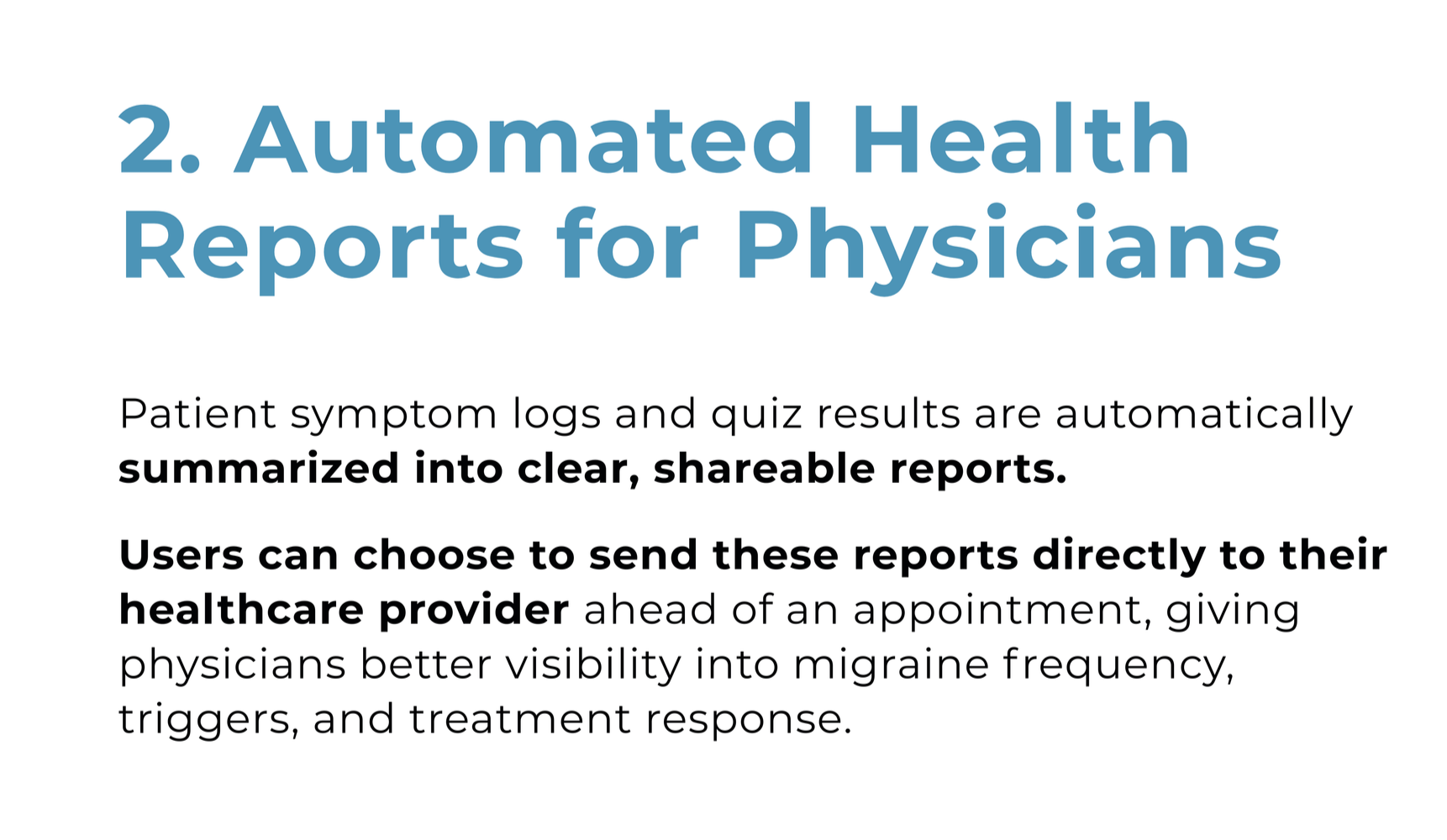
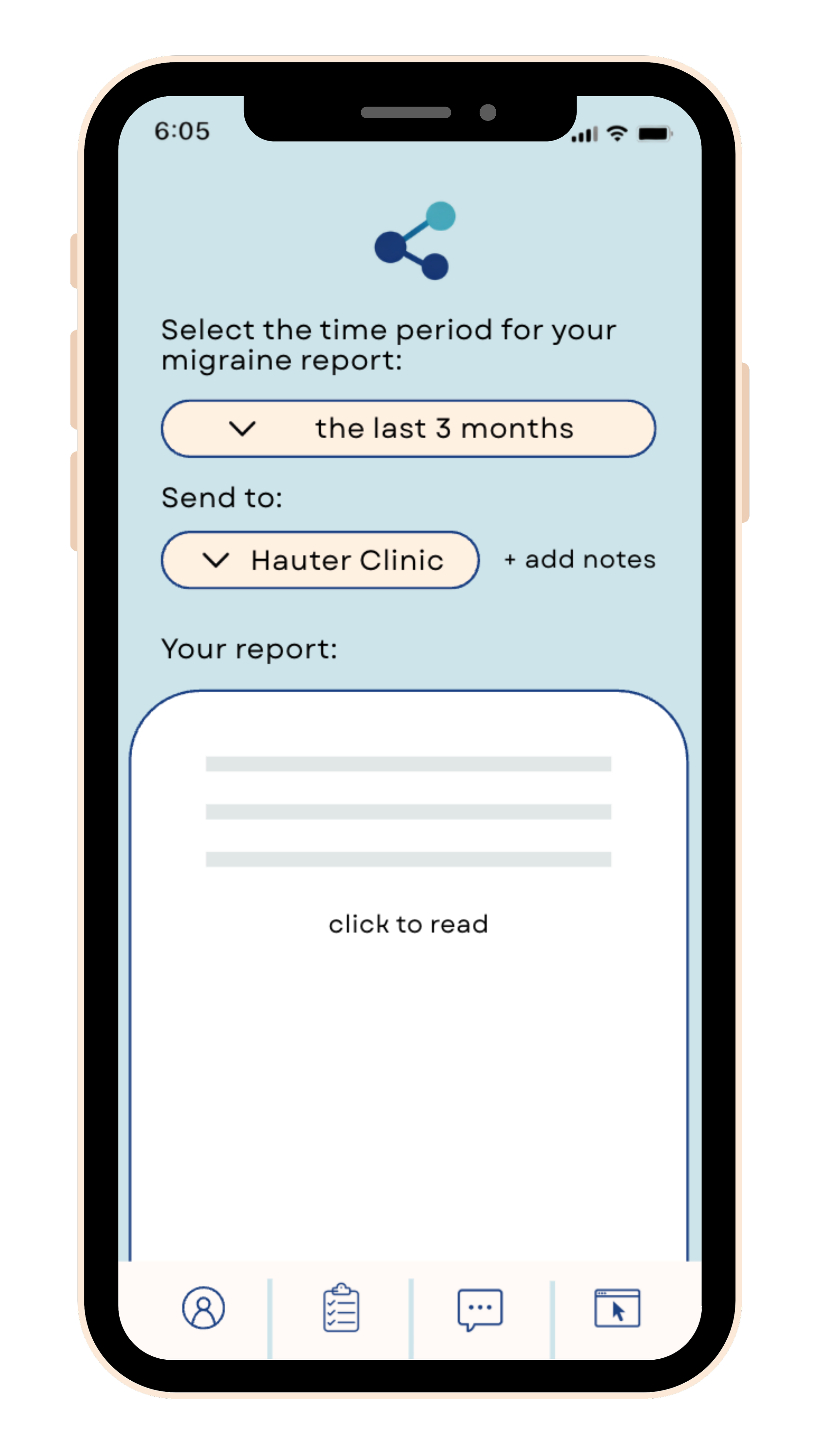
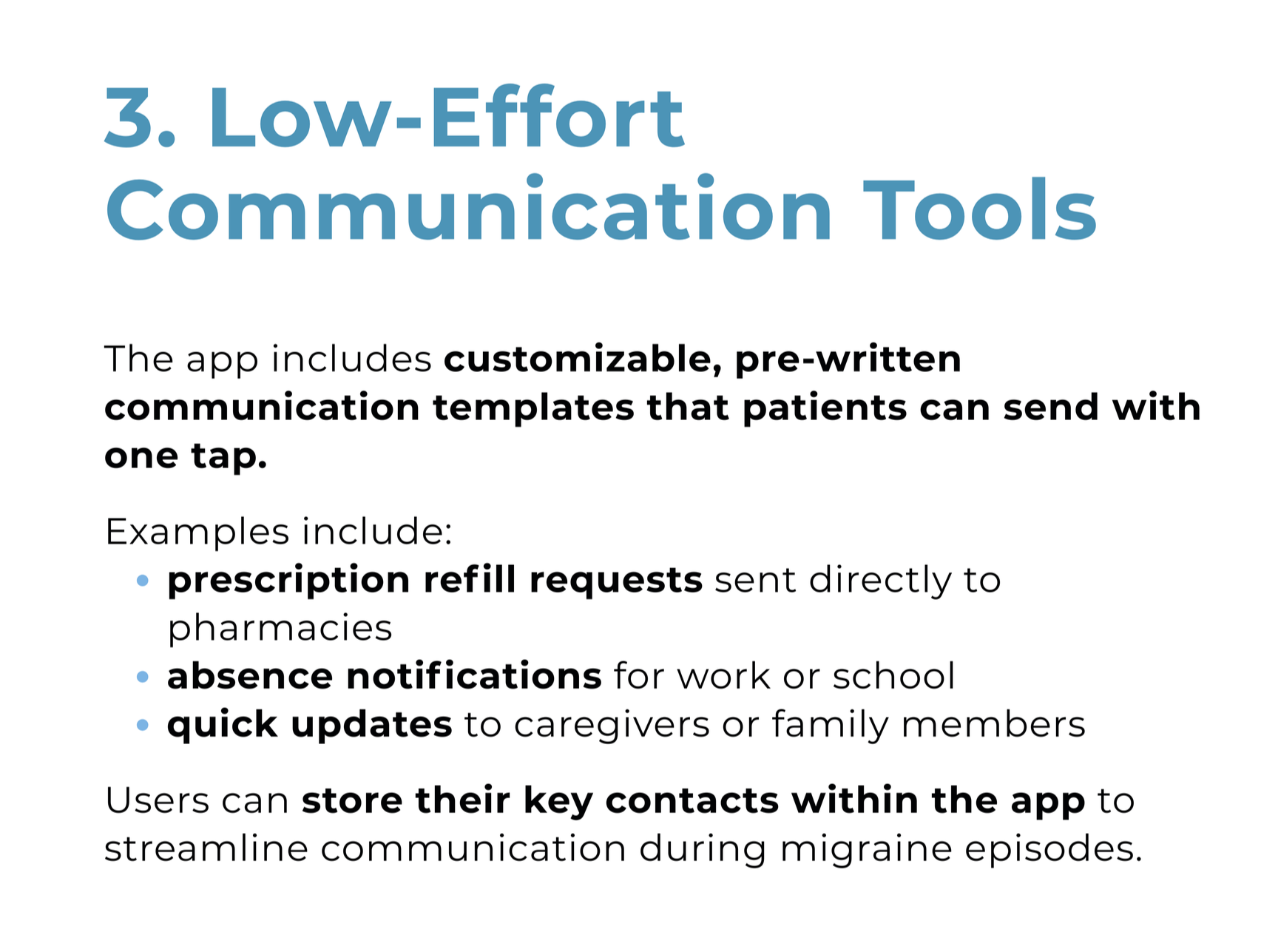
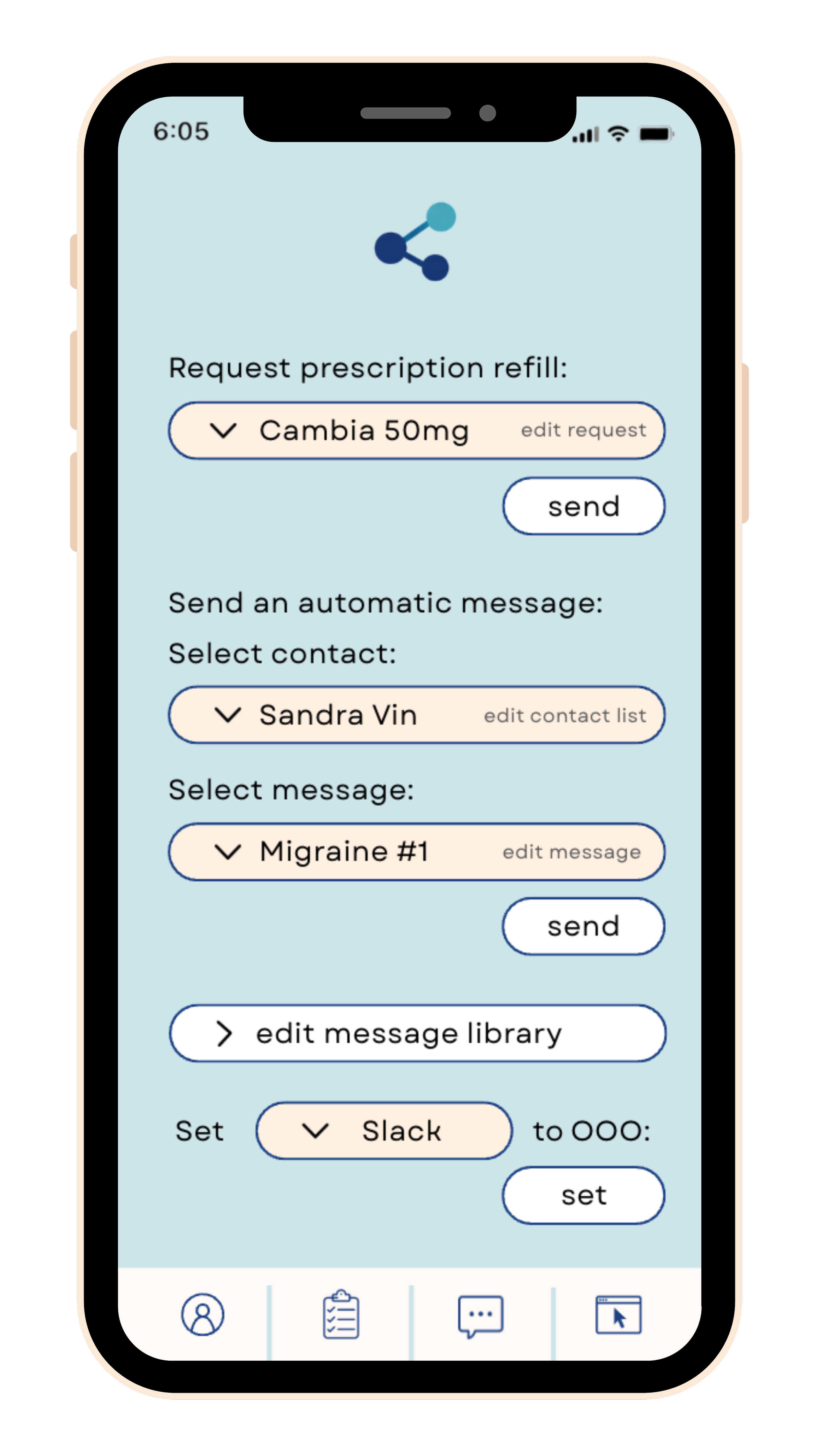
This creates an opportunity to develop a more integrated digital solution that not only tracks migraine patterns but also connects patients with healthcare providers and pharmacies. By combining symptom tracking with features such as automated health reports, direct pharmacy communication, and ongoing management support, the platform could help bridge the gap between migraine experiences and clinical care.
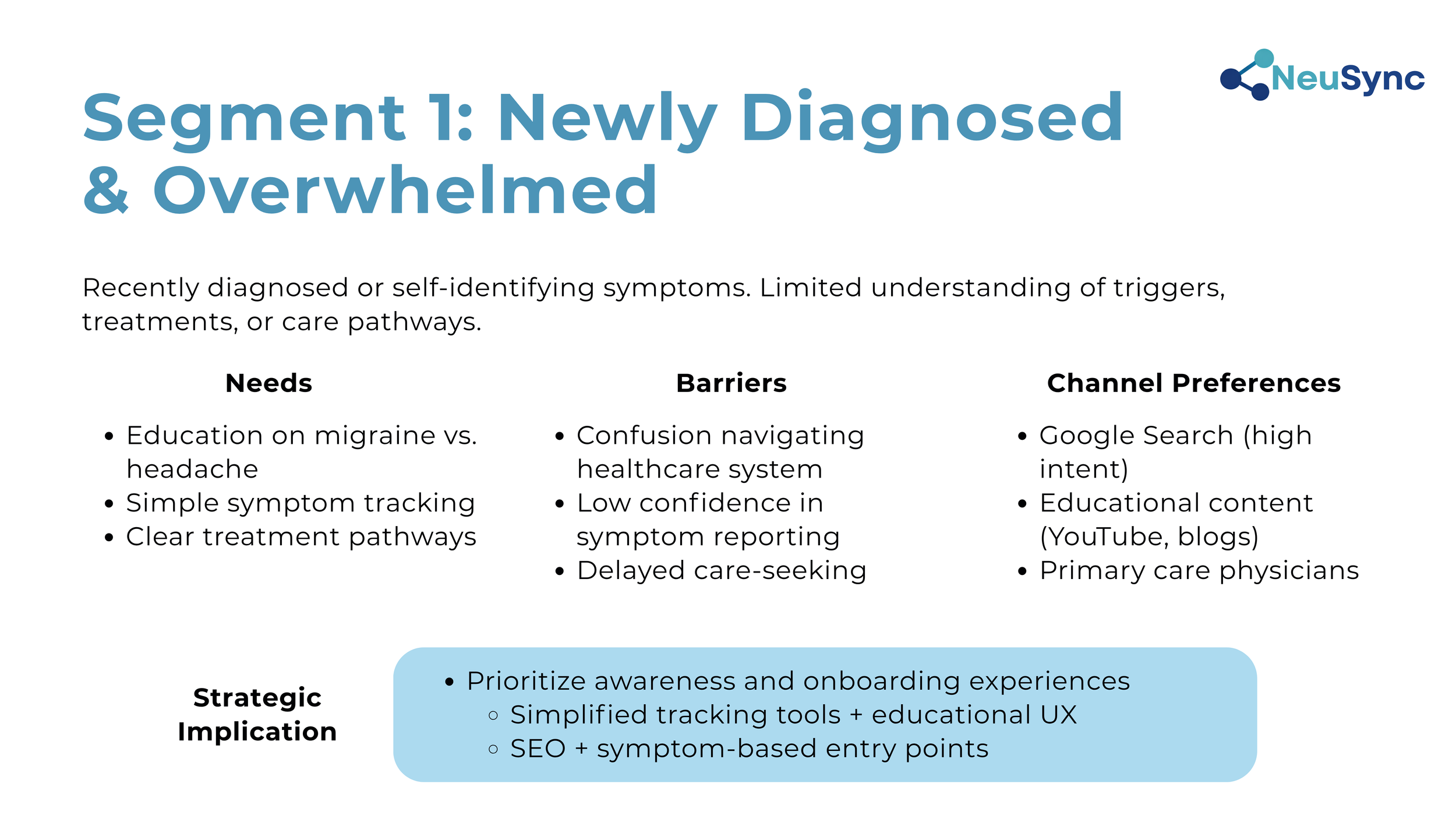
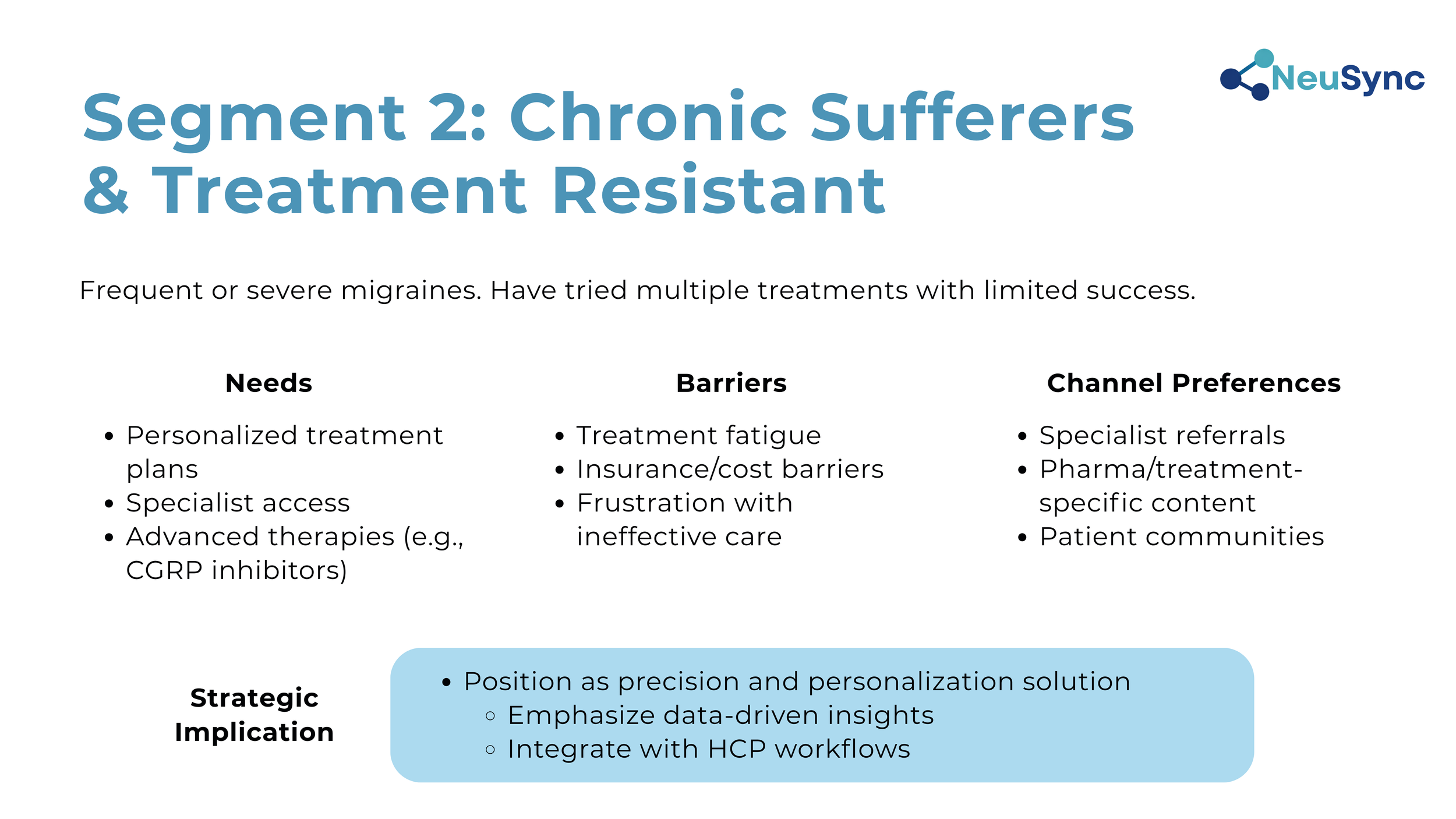
Patient Segmentation Model:
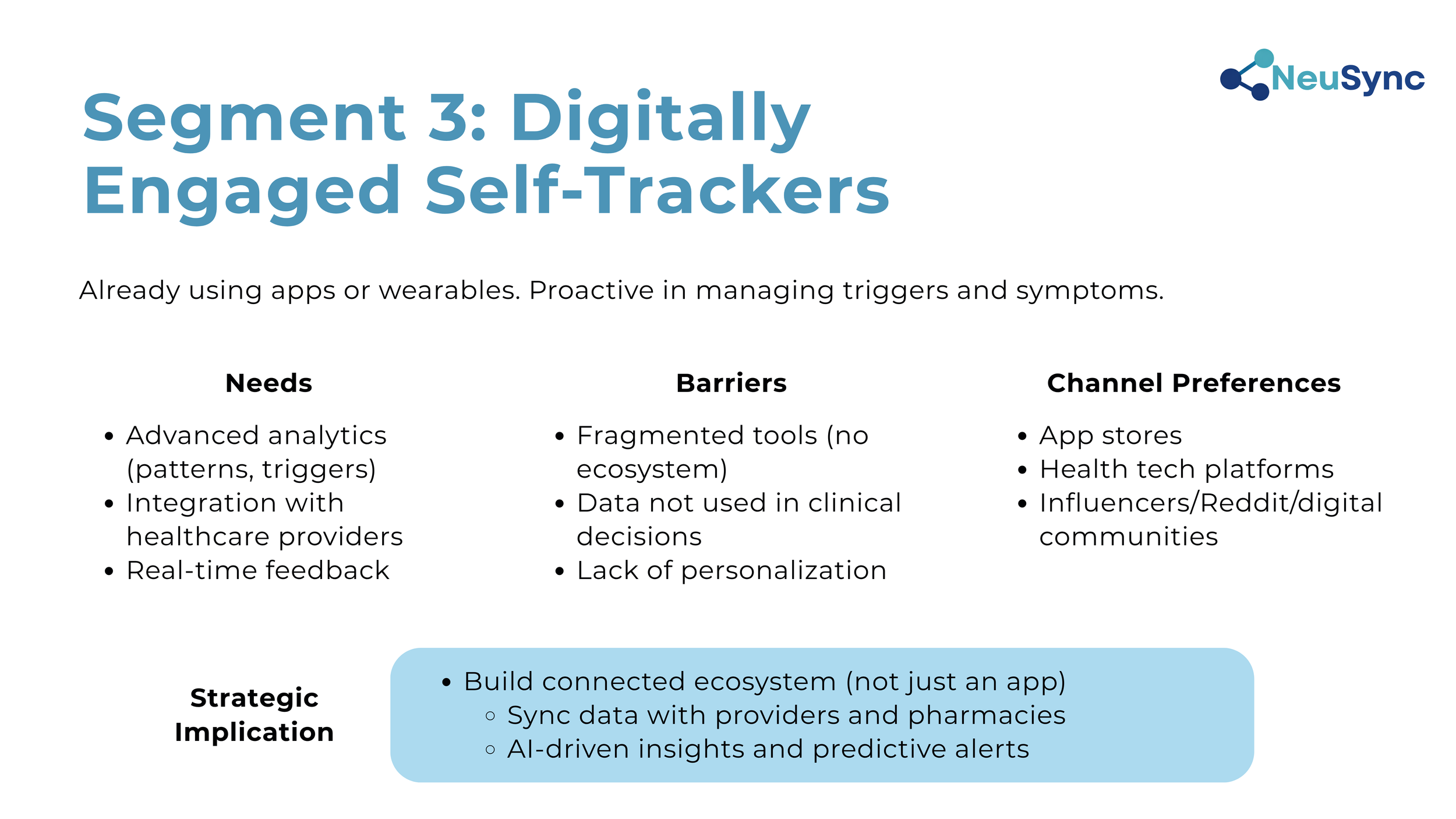
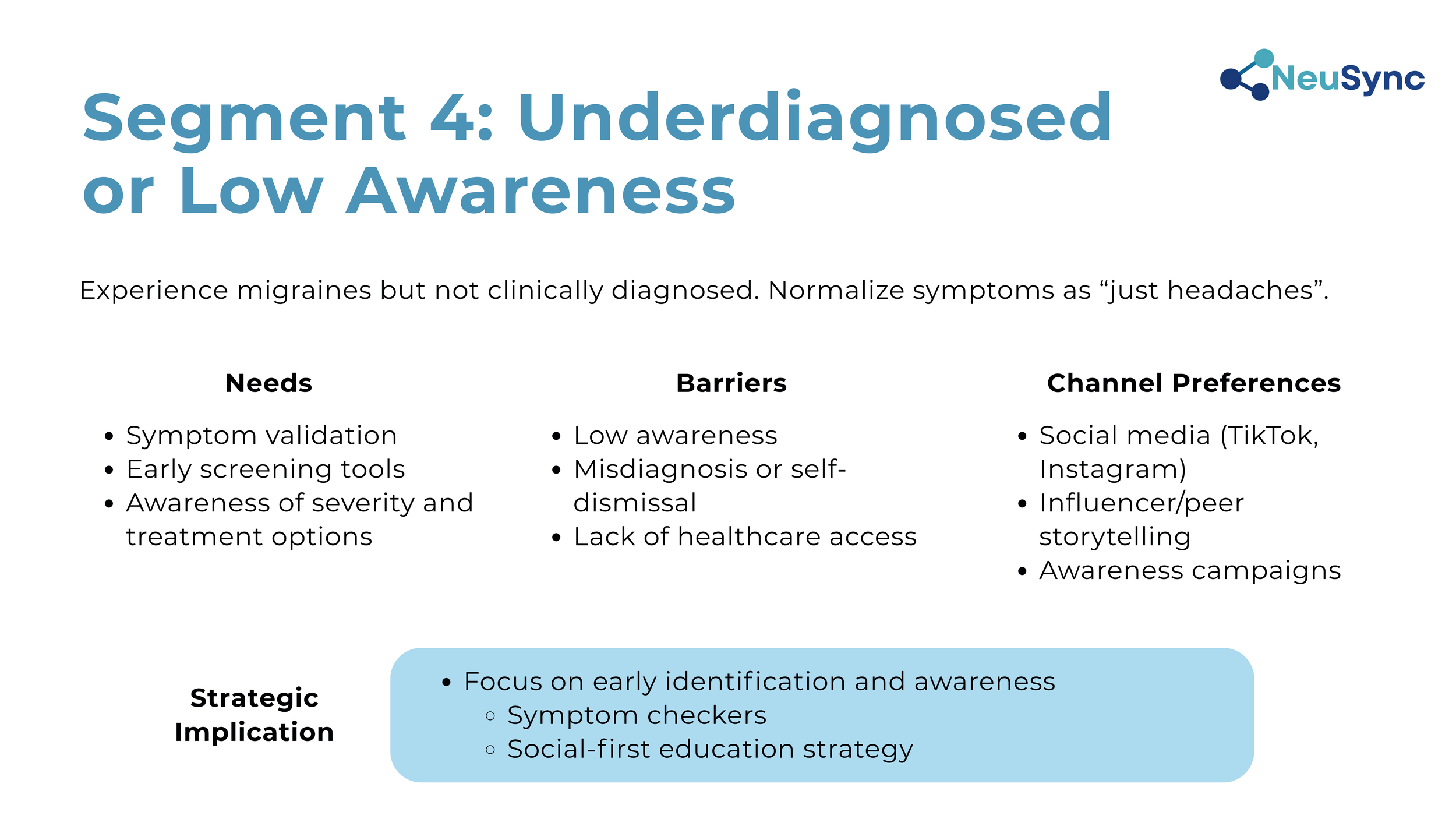
To ensure the solution is grounded in real patient needs, a segmentation model was developed to capture differences in behaviors, motivations, and barriers across migraine patients. Rather than treating patients as a homogeneous group, this framework identifies distinct segments that inform both product design and go-to-market strategy.
App Features
〰️
App Features 〰️
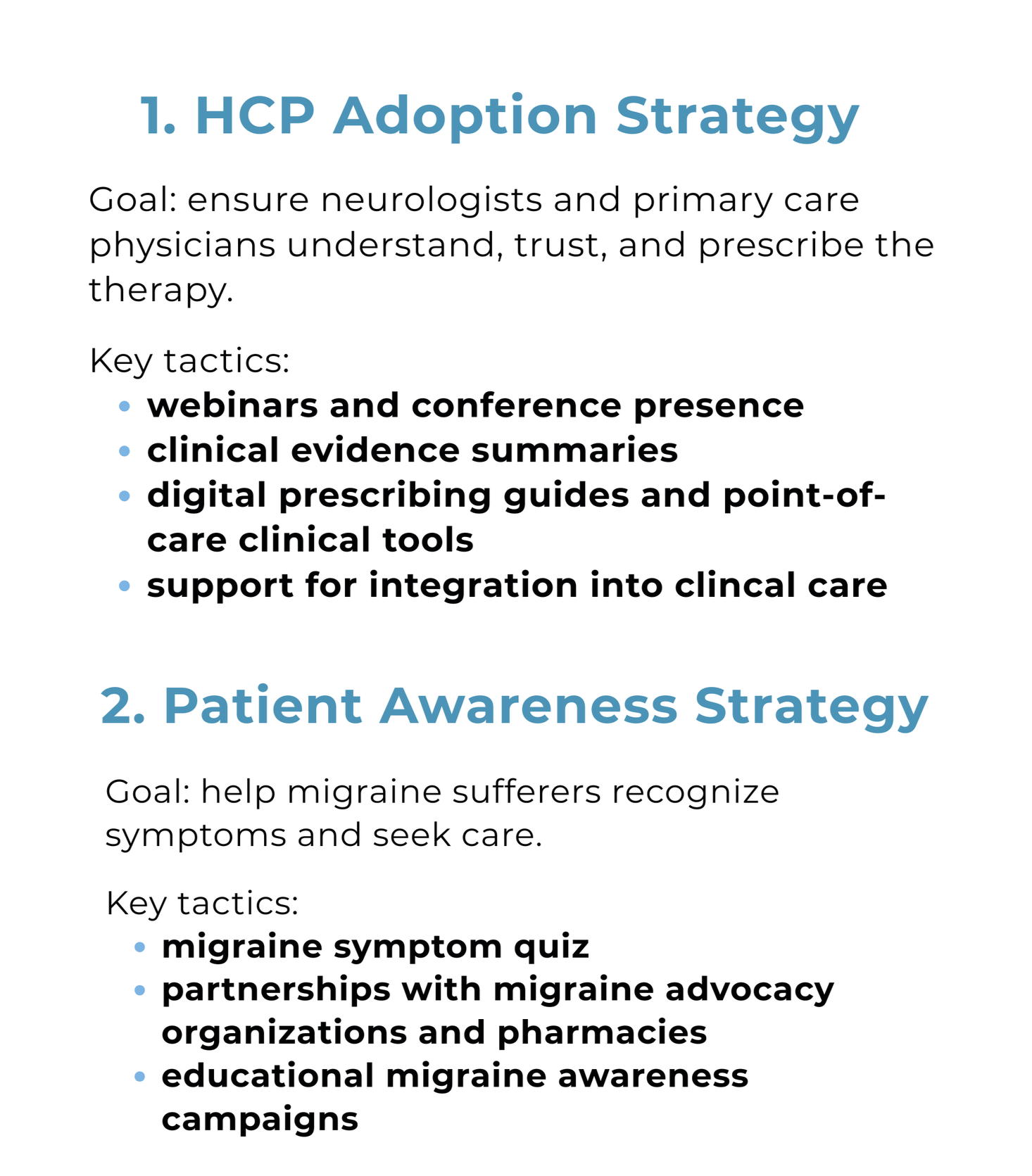
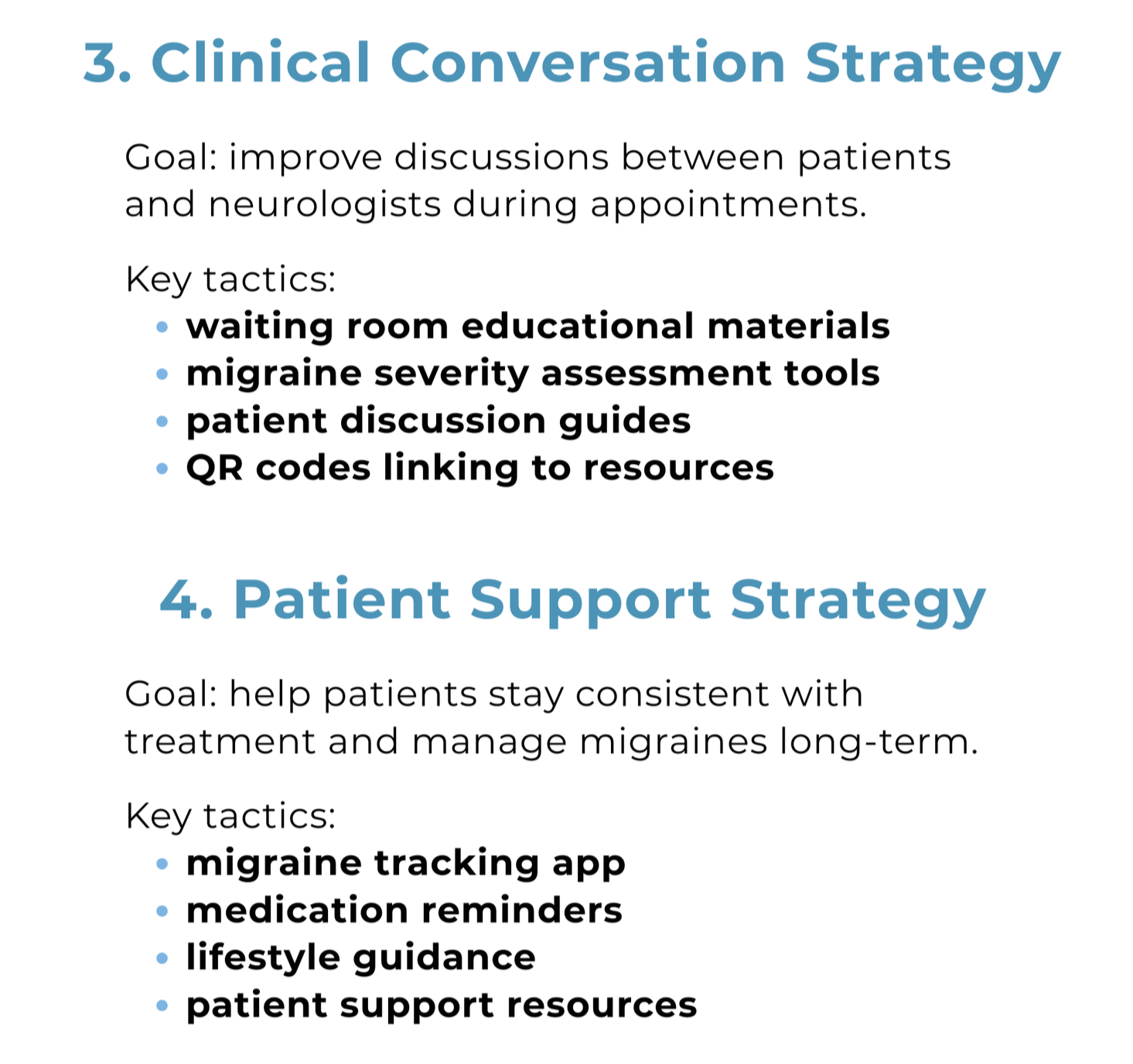
Marketing Strategies
〰️
Marketing Strategies 〰️
NeuSync operates as an integrated care ecosystem across the full patient journey:
Pre-diagnosis: Awareness & symptom recognition
In-clinic: Structured patient-physician conversations
Post-prescription: Ongoing tracking & adherence support
Continuous care: Data feedback loop improving long-term outcomes
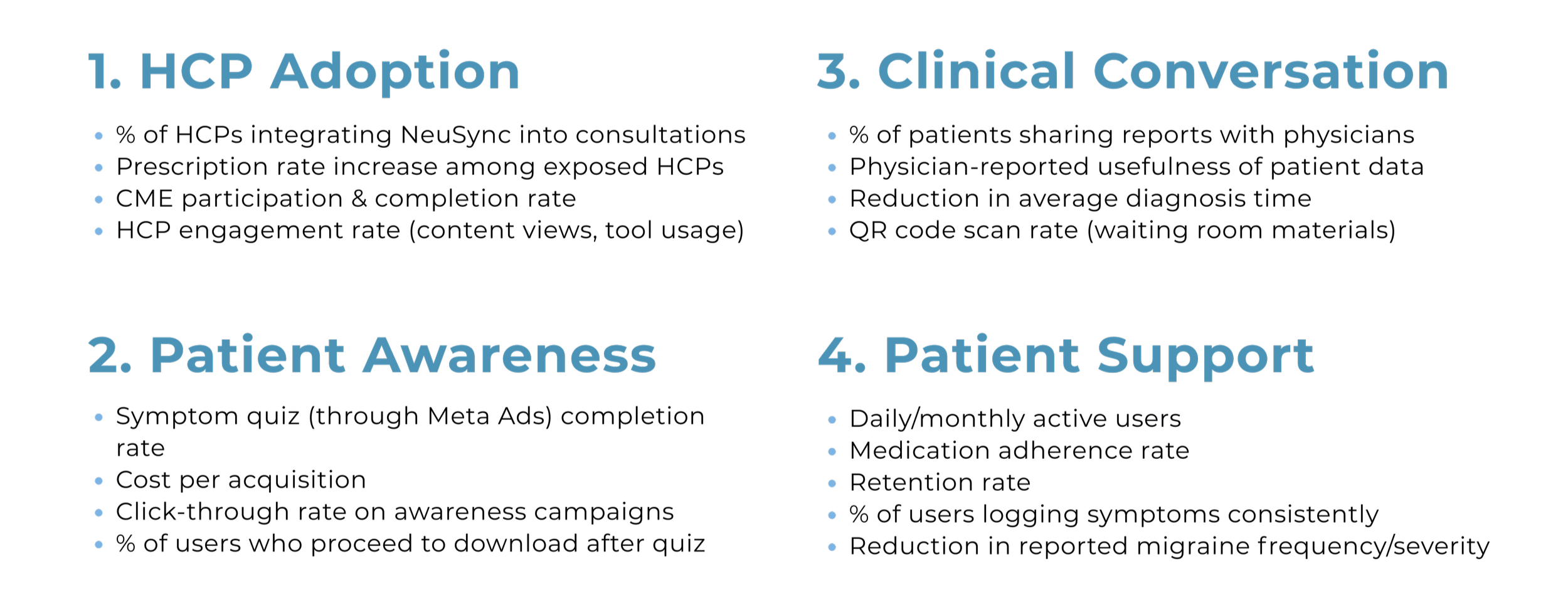
Key KPIs
〰️
Key KPIs 〰️